№ 1
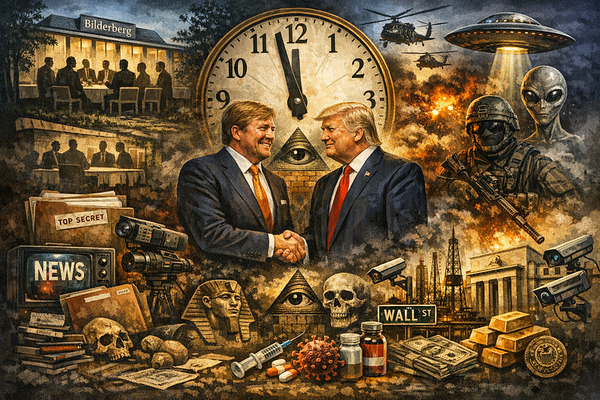
Willem-Alexander Met Trump the Day After Bilderberg Ended. The Royal Programme Left Bilderberg Out.
The visit that the official programme did not mention
The visit that the official programme did not mention

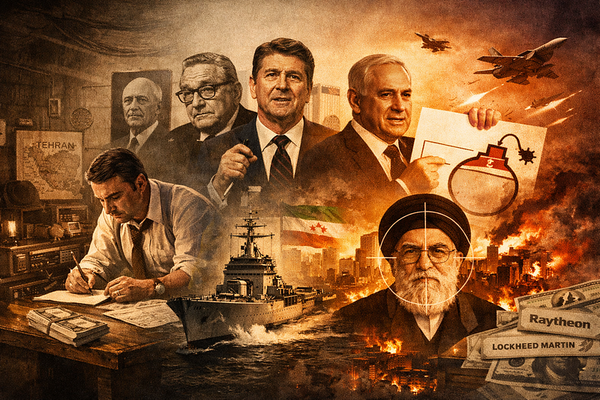
The Big Three hold the largest stakes in the weapon, the coverage, the financing, the medicine, and the rebuilding. A structure exposed to every side of a war has no surviving reason to prefer peace.
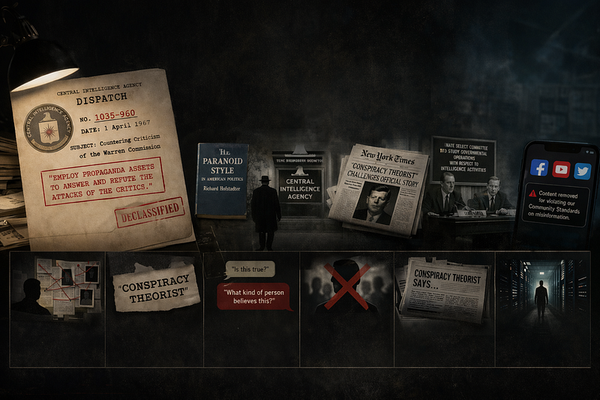
There is a way to defeat an argument without ever touching its evidence. You attach a category to the person before the case is read. A declassified 1967 CIA memo, the FBI campaign against King, MKUltra, and the platforms and machines that inherited the move.
The seventy-year chain the morning briefings didn’t mention
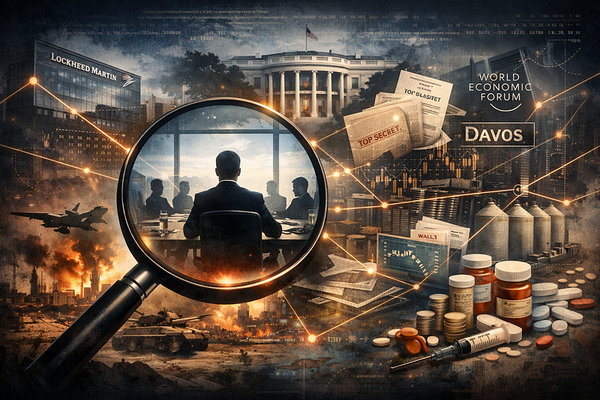
On Making the Invisible Architecture Visible
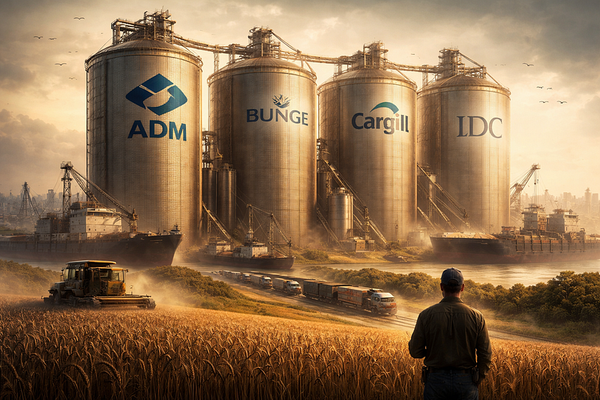
Everyone watches the four companies that move the grain. Beneath them is a tighter chokepoint, the seed. And beneath that, a single gas-fed reaction that feeds half of humanity, and that almost no one who eats has ever heard of.
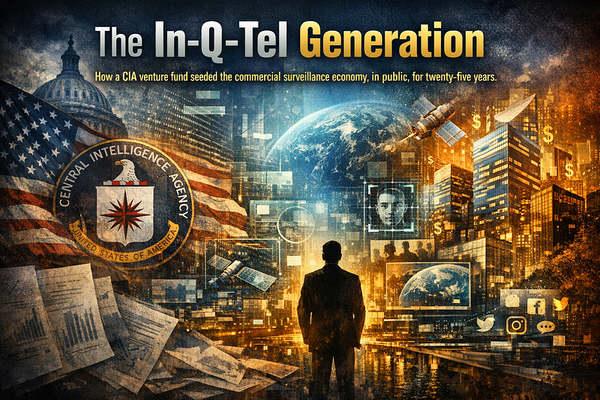
The determining variable was never the tech companies. It was the intelligence-state seed capital, and the one word on the charter that made its author disappear.

The US and Iran sat down in Islamabad using the same words. They meant different things. And the system that profits from their failure was…
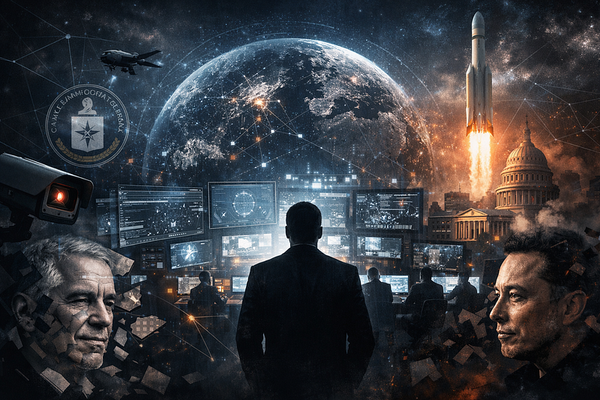
Most people don’t know what Palantir is. This article explains why that matters, and how systems like it are quietly reshaping power, AI, and decision-making. There are moments in history

The first sign that a war is still alive is not always fire.
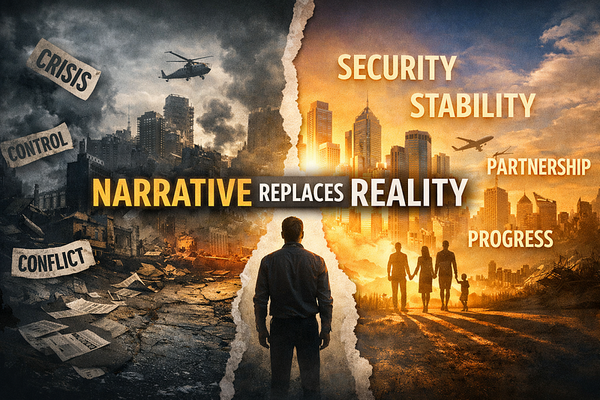
How modern power no longer needs to hide the truth when it can build a more usable version of the world.
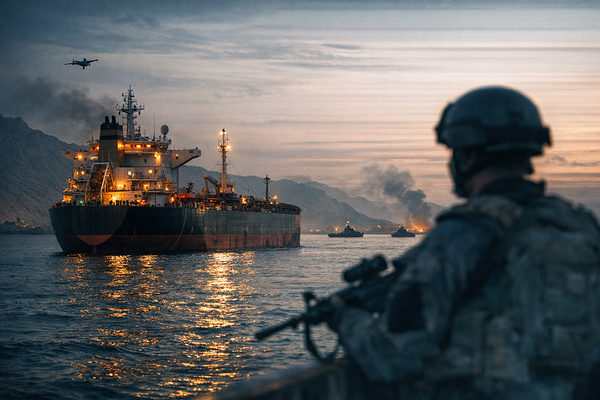
The pause did not reveal peace. It revealed the point where pressure became too expensive to sustain, and too useful to fully remove.