№ 1
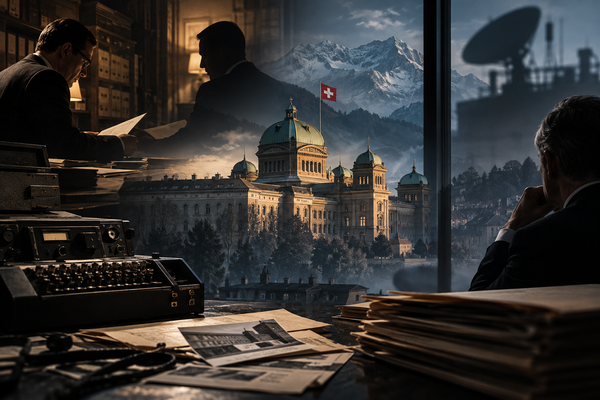
Swiss Intelligence Knew Who Owned Crypto AG. It Told the Police Otherwise.
Operation Rubicon was in print by 1995. The record that could prove it stayed with those who ran it.

Operation Rubicon was in print by 1995. The record that could prove it stayed with those who ran it.

BlackRock has no controlling shareholder. Its own client funds appear among its largest reported holders, and the rules governing how those shares are voted reveal a deeper question about who exercises power on behalf of investors.
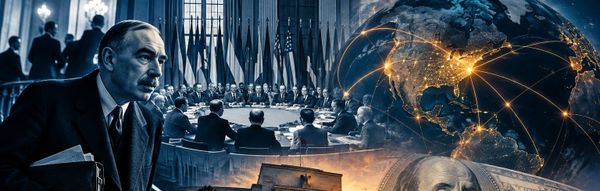
The gold link broke in 1971. The rules about who must adjust, and who gets rescued in a panic, outlived it.

Forty ships or eleven? Four sources count Hormuz traffic four different ways, and no institution is required to say which one is the strait.

By one estimate, one in ten of last year's 20,000 humanoids went to work. Who paid for the rest?
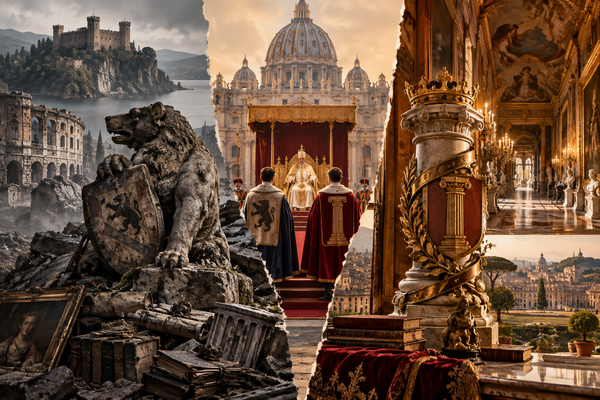
Two papal families shared one office for four centuries. Only one of them still lives in its palace.

The robots get the attention. How far software reaches into the machines already in the field depends on their controls, and on who is selling the kit.
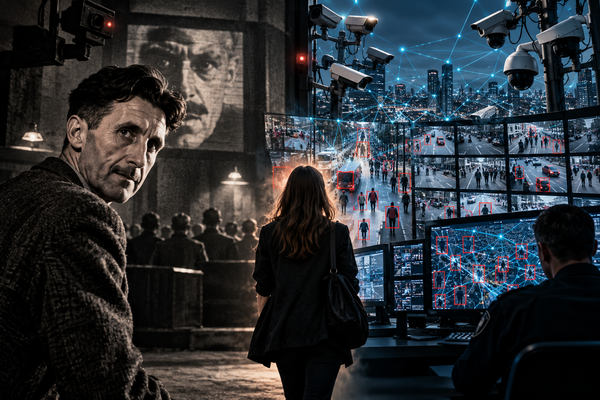
Orwell described a state that had to watch. What exists in 2026 only has to ask.

The answer changed twice, depending on which price I measured against and who was holding the car.

China, Europe and America each leave a different part of the barrel. Only China has reached trucks.
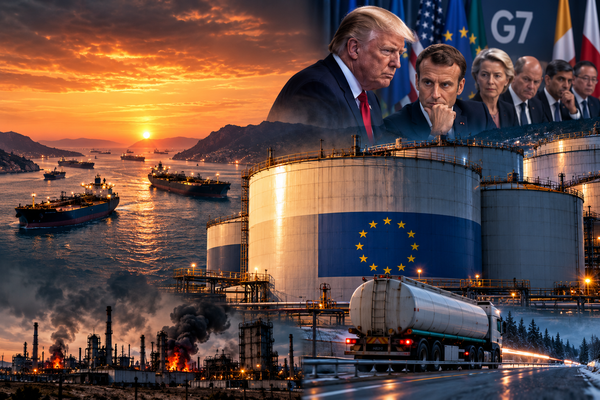
Europe's reserve is one third diesel. A stock can replace a missing refinery only while it lasts.

The mockery never reached his readers. The question is who it did reach.