The sequence is the story.
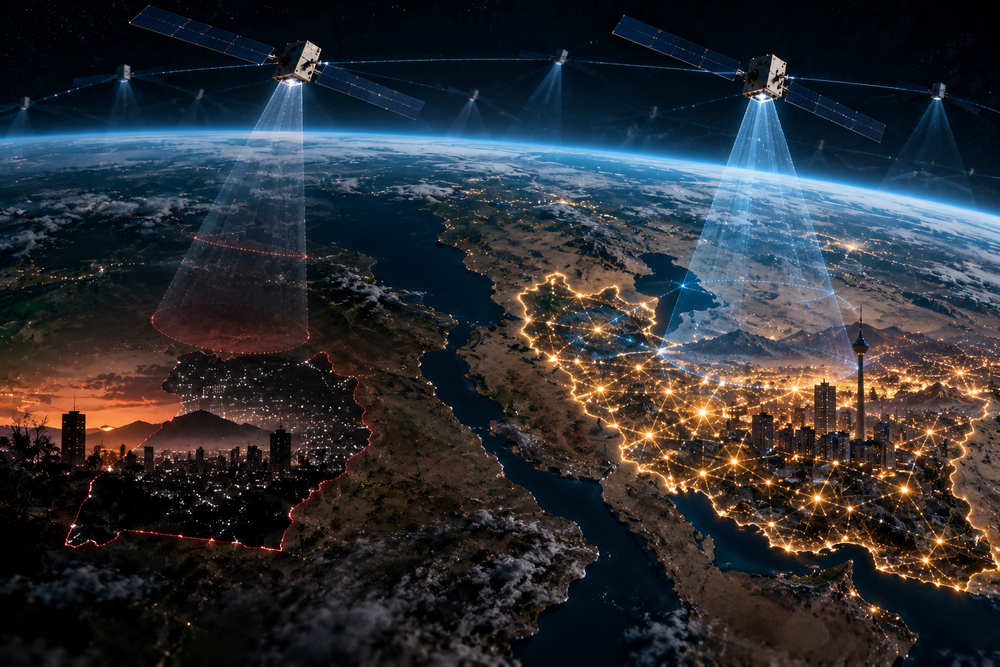
April 15, 2026. Moscow. The Russian Ministry of Defence publishes a document with names, addresses, and production details of European companies making drones for Ukraine. A factory in Hengelo, Netherlands. Two in Munich. Two in the Czech Republic. Facilities near RAF bases in Suffolk, England.
That evening, Dmitry Medvedev posts four sentences on X: “The list of European facilities which make drones & other equipment is a list of potential targets for the Russian armed forces. When strikes become a reality depends on what comes next. Sleep well, European partners.”
The next day, France announced €8.5 billion for 400 per cent more drone production. Germany confirmed €10 billion in military drone investment. The EU launched its European Drone Defence Initiative.
Russia published a list. Europe built more factories.
What the Document Is
This is not a generic threat. The Russian Defence Ministry listed specific companies, specific addresses, specific drone models. Destinus in Hengelo produces the Ruta drone. Davinci Avia and Airlogistics in Munich produce the Da Vinci. DeViRo in Prague and Kolin produces drone systems. Twelve countries in total.
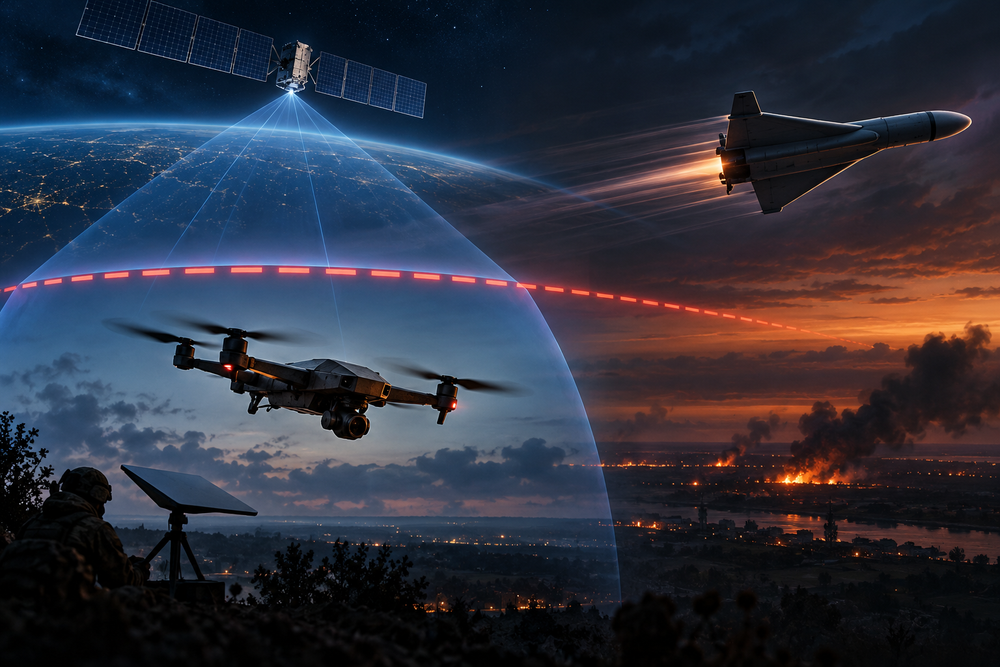
The same day, Russian Security Council Secretary Sergei Shoigu made the legal argument explicit: countries allowing Ukrainian drones to transit their airspace are “open accomplices of aggression against Russia” and Russia retains the right of self-defense under Article 51 of the UN Charter. Western lawyers dispute the interpretation. But dispute is not the same as refutation.
The question NATO has not answered publicly: if Russia strikes one of these factories, does Article 5 apply? The factory is on NATO territory. But it produces weapons for a non-NATO country to use against Russia. Russia has pre-declared it a legitimate target. NATO has not stated where its threshold sits.
The escalation ladder has a legal structure. No one in Europe has said where the top rung is.
What Europe Did
Czech Foreign Minister Petr Macinka summoned the Russian ambassador in Prague on April 16. That was the most concrete diplomatic response from any European government. It was also the only one.
No joint EU statement on the target list. No NATO press conference on Article 5 thresholds. No parliamentary debate on the question: our factories are now named as military targets: what does that mean?
Instead: France €8.5 billion. Germany €10 billion. Poland “drone revolution.” EU Drone Defence Initiative. Germany-Ukraine drone co-production agreement. Italy expressing interest. And on April 23, the EU’s twentieth sanctions package: 46 ships, 20 banks, 120 entities.
The Czech Republic summoned an ambassador. Everything else was escalation.
The Gap
Europe has approximately two million soldiers. Around 200,000 are deployable. The German Bundeswehr has an estimated 50 to 80 fully operational tanks. Full military readiness: 2035 at the earliest.
The factories in Hengelo, Munich, and Prague are civilian industrial sites. They have no dedicated air defense. The systems that could protect them, Patriot and IRIS-T, are being sent to Ukraine.
Rheinmetall was worth €4.2 billion in January 2022. It now trades above €24 billion. Every Russian threat, every new defense package, every escalation announcement moves that number upward. BlackRock, Vanguard, and State Street each hold 7 to 11 per cent of every major European defense contractor simultaneously. The threat and the response to the threat flow to the same beneficiaries.
The structural observation: Europe is building factories Russia has classified as targets, sending their air defenses to Ukraine, and has a military nine years from readiness. No conspiracy is required to produce this exposure. A sequence of individually rational decisions did it.
What Is Not Being Asked
There is no public parliamentary debate anywhere in Europe on this question: given that Russia has formally classified our weapons factories as legitimate military targets, what is our threshold, and what happens if Russia acts?
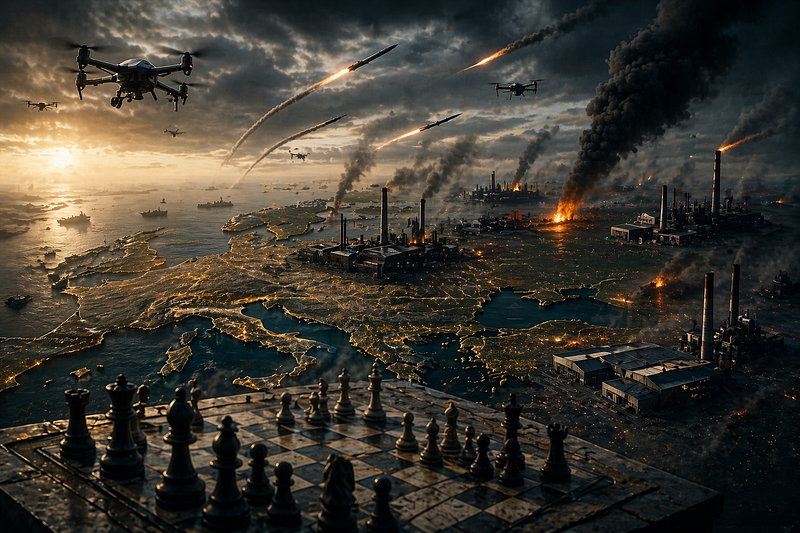
The escalation ladder has been under construction since 2022. Weapons deliveries. Training missions. Production facilities on European soil. Factories named as targets. Air defense sent forward. Military readiness nine years away. Each rung seemed manageable. The totalidad is not.
The ladder has no top rung. Europe keeps building it anyway. The only actor in this architecture without a designed role is the one living near the factory.
The Manifest Archive publishes two versions of each analysis. This is the condensed version. The full text, including the complete legal architecture of the threat, the Article 5 question, and the counter-argument section, is available on Substack. Free to read.
Related from The Manifest Archive
- In 1990, James Baker Promised Russia NATO Would Not Move One Inch Eastward.
- Angela Merkel Helped Broker a Peace Agreement in 2015. In December 2022, She Said It Was Never Designed to Bring Peace.
- Why the Allies and Russia Turned from Friends to Enemies
- Ursula von der Leyen: How Did Someone With Such a Failed Record Get This Job?