A global structure of alliances, dependencies, and silent escalations is pulling Ukraine, Gaza and the West toward a conflict no one dares to name.
The Night That Refuses to End
Night does not fall in Brussels. It hovers as if waiting for permission.
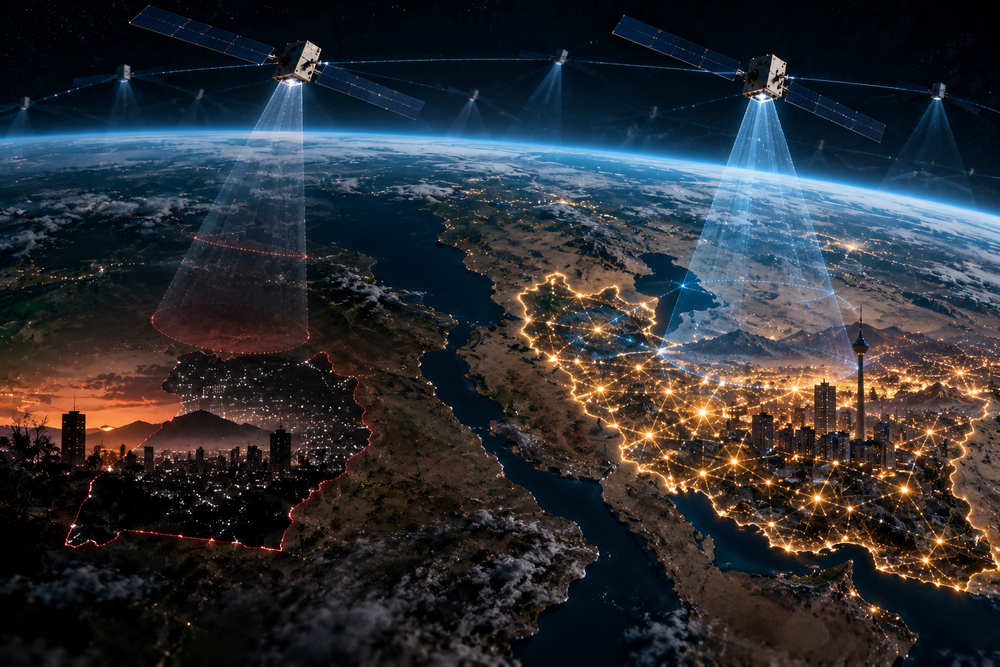
The city glows with the muted electricity of decisions that have not yet reached the public. In a building without a sign, behind a corridor colder than it should be, one room remains awake. The screens inside shape the darkness rather than break it.
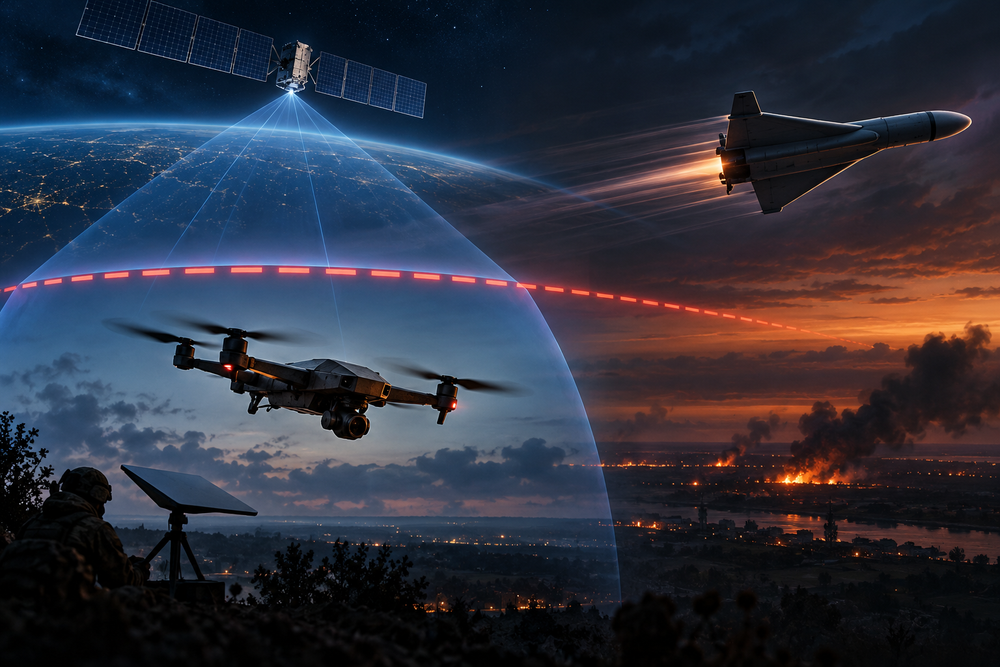
Ukraine unfolds in tactical overlays.
Gaza pulses in thermal gradients.
The Red Sea glows like a fault line.
A man stands at the head of the table with the stillness of someone who knows movement disturbs more than it clarifies. Across from him, a woman rests a closed folder on her knee, her eyes following the shifting lights with the precision of someone who understands that crises rarely explode. They accumulate.
Nothing dramatic happens.
Yet the room feels heavy with what remains unsaid.
“War is not declared. It is rehearsed.”
This room is not watching conflict.
It is watching alignment.
A corridor in Donetsk thickens.
A heat signature near Khan Younis blurs.
A naval route in the Gulf of Aden shifts by two hundred meters.
Individually meaningless.
Collectively directional.
War does not erupt.
It condenses.
The world is not drifting into conflict.
It is being prepared for one.
Europe’s Descent Into Preparedness
Europe once imagined peace as an inheritance.
Now it treats peace like weather.
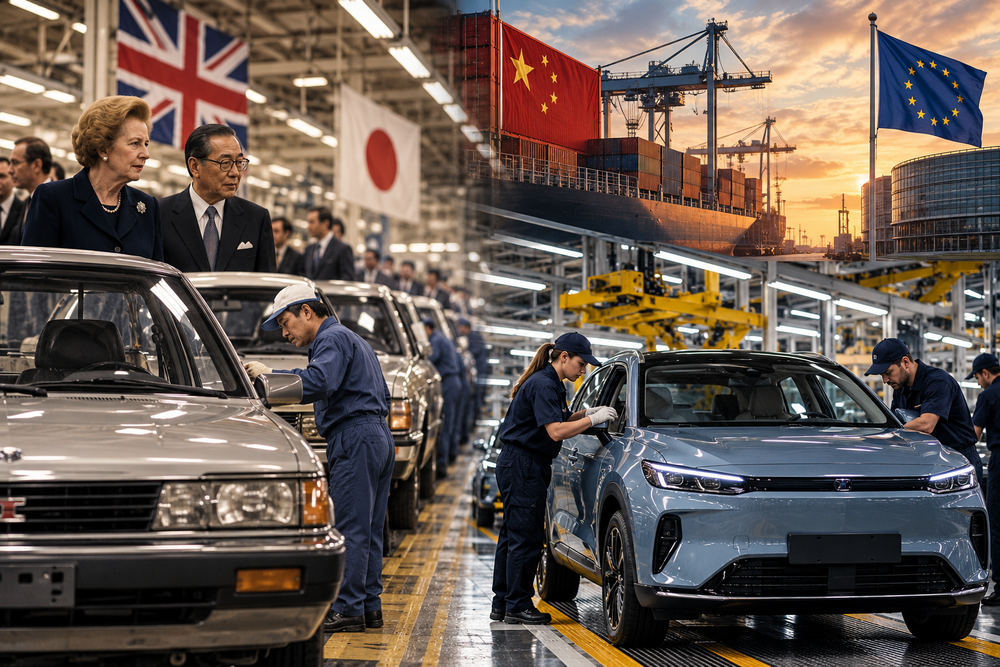
Factories reshape themselves for artillery.
Budgets swell in areas once considered marginal.
The language of politics becomes careful, measured, almost cautious.
What was once support becomes duty.
What was once deterrence becomes readiness.
What was once diplomacy becomes choreography.
Europe insists it does not want war.
Yet every month it behaves more like a continent preparing for survival.
Dependency sits at the heart of this transformation.
Europe’s weapons may be European.
Its guarantees are American.
“A continent that cannot refuse its protector has already surrendered its agency.”
Europe hears partnership in Washington’s tone.
Washington speaks in strategy.
They overlap.
They do not converge.
Europe is not dragged toward escalation.
It has lost the mechanisms required to step aside.
Washington’s Distance and Washington’s Hand
From Washington, the world map is not geography.
It is hierarchy.
Ukraine is leverage.
Gaza is pressure.
The Red Sea is corridor.
The Indo-Pacific is destiny.
The United States is not retreating.
It is repositioning inside the world.
Every reassurance to Europe hides a deeper strategic arithmetic.
America’s primary contest is now with China, not Russia.
Europe is expected to hold the line while Washington looks across the Pacific.
“A superpower never leaves the world. It reorganizes it.”
Europe interprets American language through the lens of alliance.
Washington interprets it through the lens of priority.
America seeks position.
Europe seeks survival.
Russia seeks restoration.
China seeks timing.
These trajectories shape the century more than any declaration.
Russia and the Myth of Weakness
Western commentary often imagines Russia as a weakened, stumbling giant.
Economic contraction, military losses, demographic decline.
Yet Russia does not operate according to the logic of efficiency.
Russia operates according to the logic of endurance.
It stumbles.
It adapts.
It absorbs.
It recalibrates.
Sanctions intended to suffocate instead hardened self-reliance.
Factories reopened.
Supply chains rerouted.
Currencies rebalanced.
The Kremlin reframed vulnerability as transformation.
“A state forced to survive learns faster than a state allowed to.”
Russia fights for time, not speed.
For realignment, not spectacle.
Its strength is not dominance.
Its strength is persistence under pressure.
On that axis, Russia remains formidable.
Gaza: The Spark Beneath the Structure
Gaza is not an event.
Gaza is a memory that never finishes happening.
It is framed as conflict.
It experiences itself as identity.
Israel sees necessity.
Hamas sees endurance.
The region sees its own reflection.
Gaza has become symbolic.
“Small wars end. Symbolic wars do not.”
The danger is not regional expansion.
The danger is that Gaza becomes the justification for a wider reordering.
Iran measures timing.
Saudi Arabia measures distance.
Egypt measures thresholds.
Europe measures consequences.
Washington measures pressure.
The region is not unstable.
It is overpressurized.
And the world stands too close.
China: The Quiet Calculation
China does not rush.
It waits.
It counts.
It watches.
It studies Ukraine not as conflict but as demonstration.
How long Europe can sustain depletion.
How quickly America divides attention.
How sanctions reshape global commerce.
Taiwan is framed not as conquest.
But as completion.
“China does not prepare for war. China prepares for opportunity.”
The opportunity arrives when the world is distracted.
When alliances tremble.
When attention fractures.
When exhaustion spreads.
China does not fear conflict.
China fears poor timing.
Its true weapon is patience.
The Architecture of Dependency
Nations proclaim sovereignty.
Systems reveal dependency.
Payment networks determine participation.
Trade routes determine endurance.
Sanctions determine permission.
Security guarantees determine loyalty.
The Budapest Memorandum once promised Ukraine protection if it surrendered its nuclear arsenal.
When tested, those guarantees evaporated.
The lesson was clear.
“A system does not dominate by force. It dominates by making alternatives impossible.”
Europe depends on American security.
Russia depends on sanctioned networks.
China depends on global demand.
America depends on global compliance.
The Middle East depends on equilibrium that no longer exists.
Interdependence was sold as protection.
It has revealed itself as vulnerability wearing a diplomatic mask.
Dependency is the gravity of modern geopolitics.
Where gravity strengthens, autonomy weakens.
The Psychology of Escalation
Before any war takes form, it takes narrative.
Fear does not grow naturally.
Fear is curated.
Headlines emphasize urgency but not context.
Speeches promise stability while preparing the opposite.
Commentators discuss escalation as if reporting weather.
“Wars are not sold to populations. They are narrated into existence.”
People do not become supportive.
They become resigned.
Resignation is the psychological lubricant for escalation.
It turns helplessness into habit.
Somewhere, a man refreshing the news on his phone cannot explain why fear has become routine.
He does not realize his resignation is already part of the machinery.
He is not a spectator.
He is a variable.
The World as a Single Battlefield
The world once imagined isolated conflicts.
It now lives inside an interconnected pressure system.
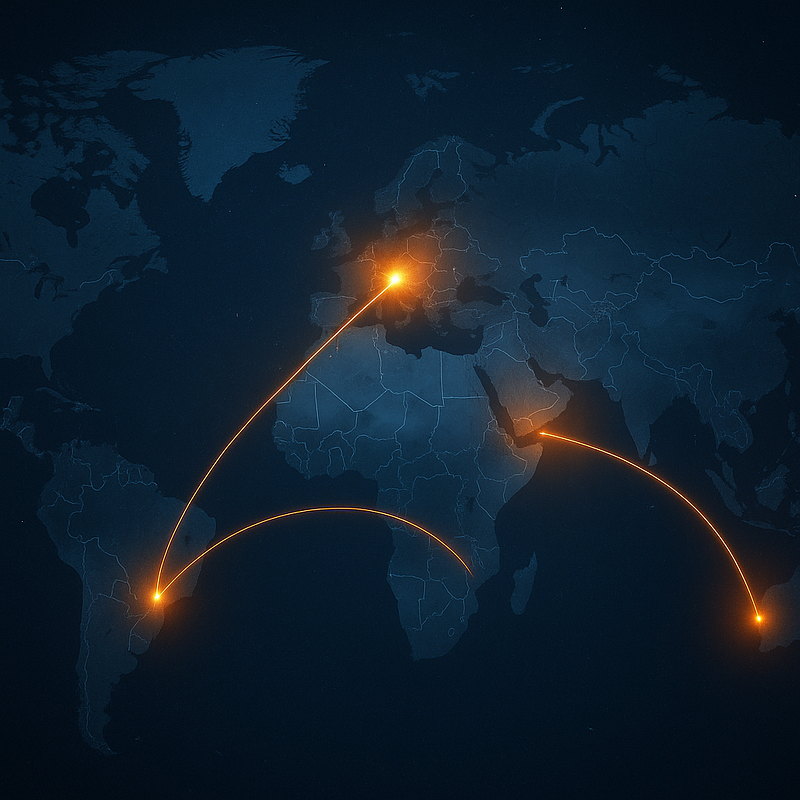
A drone strike in Gaza shifts calculations in Tehran.
A naval disruption in the Red Sea reaches the factories of Hamburg.
A budget adjustment in Washington alters Beijing’s confidence.
A breakthrough near Bakhmut influences conversation in Brussels.
“The world is not divided. It is entangled.”
There are no local conflicts.
Only local detonations of global tension.
The battlefield is not geography.
It is structure.
The Illusion of Control
Leaders speak confidently of plans, strategies and contingencies.
Yet behind closed doors, their language changes.
They admit they are responding to pressures they cannot fully direct.
They speak of alliances that cannot break, markets that cannot collapse, commitments that cannot be reversed.
The illusion of control sustains the system.
Without it, the entire architecture would fracture.
“Power survives by performing certainty long after certainty has disappeared.”
The world does not move according to intention.
It moves according to momentum.
And momentum no longer seeks permission.
Closing Reflection
The world is not preparing for a single war.
It is preparing for the consequences of its own architecture.
Tension gathers.
Pressure tightens.
Narratives harden.
Fear becomes familiar.
Escalation will not be framed as conquest.
It will be framed as necessity.
Conflict will not be justified as ambition.
It will be justified as survival.
The world is not falling apart.
It is converging.
And convergence is the most dangerous form of order.
Related from The Manifest Archive